What Is It?
What I Make
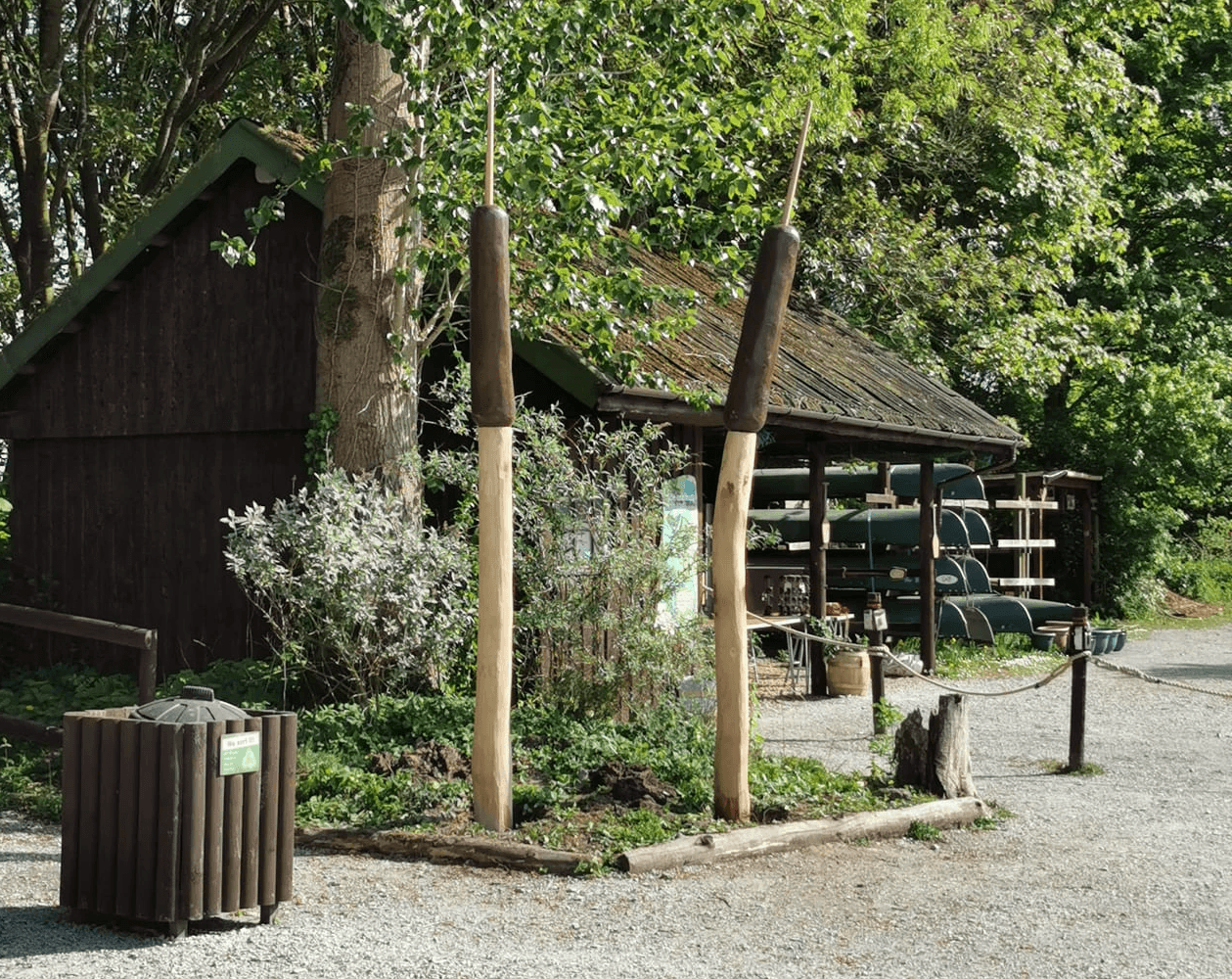
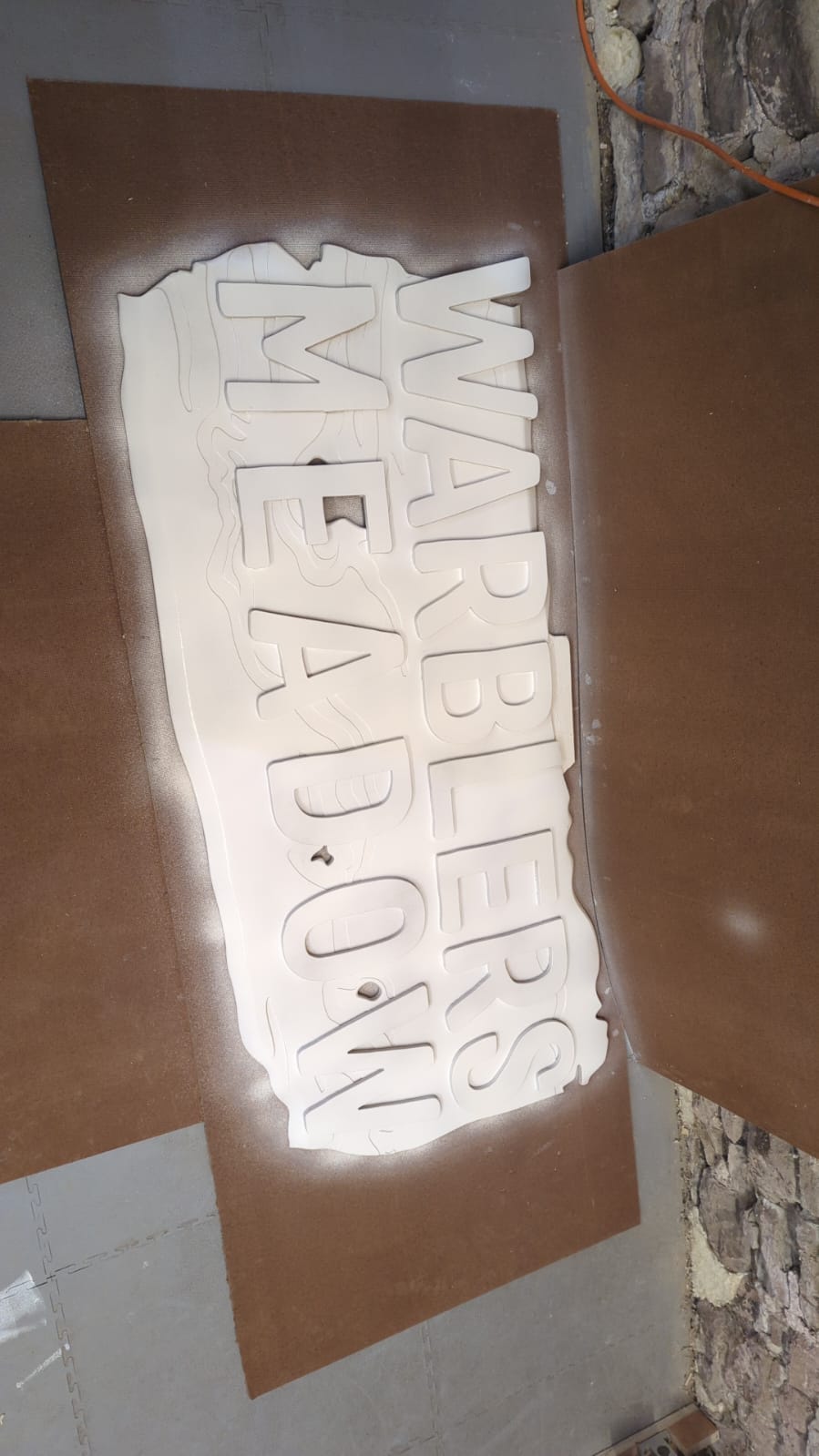
Interpretation includes site signs with character, sculptural wayfinding posts, carved or cast panels, and tactile features for interaction. If it needs to communicate in a landscape or building and a real material presence, this is what you need.
How Its Shaped
This work begins with the story a place needs to tell. A focus on how a visitor will move, pause, and discover. The design process turns information into form. It tests how shapes can show direction, how textures can hint at history, and how size grabs attention.
Thought Behind It
I look for clearly meaningful pieces, yet also invite a closer look, a second glance, or even a touch. They should be legible and useful, but also have a quiet character. They aren’t just installed in a place; they’re designed to respond to it.
Where It Fits
This work is for public spaces, nature trails, reserves, or visitor areas. It’s for places where information blends softly with the environment. The best interpretive piece doesn’t shout. It fits in, enhancing your sense of place without making it messy.
Overview
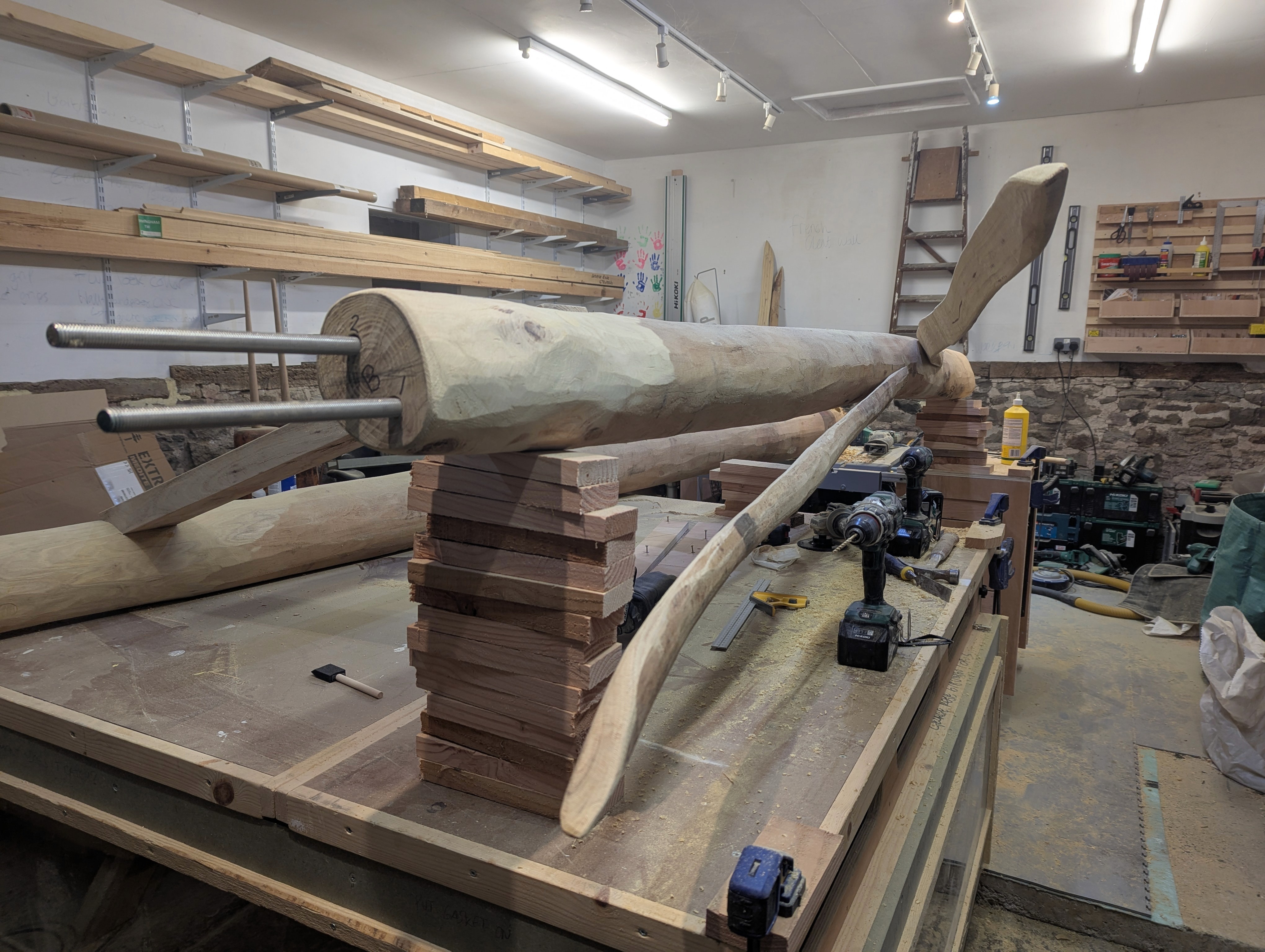
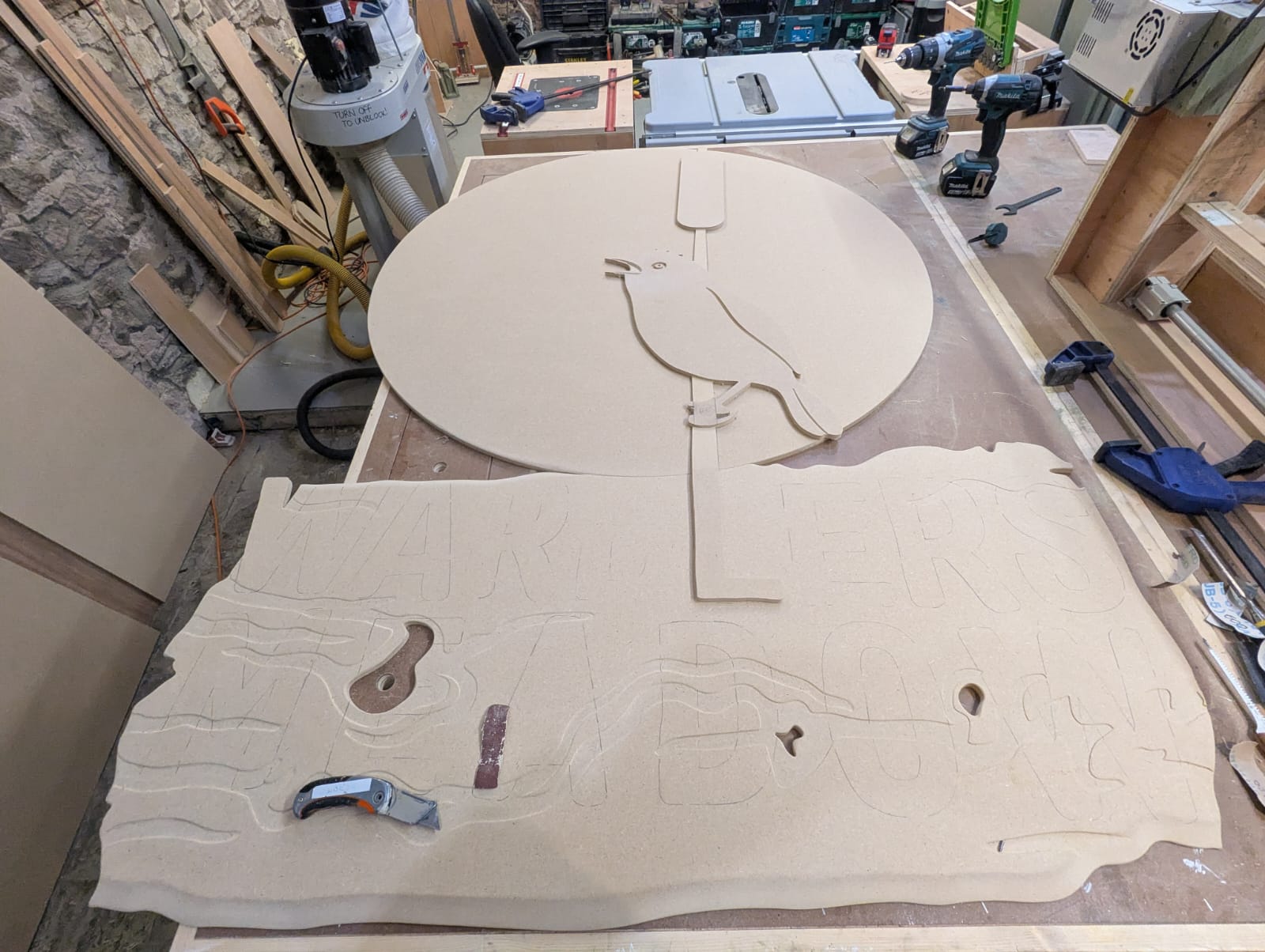
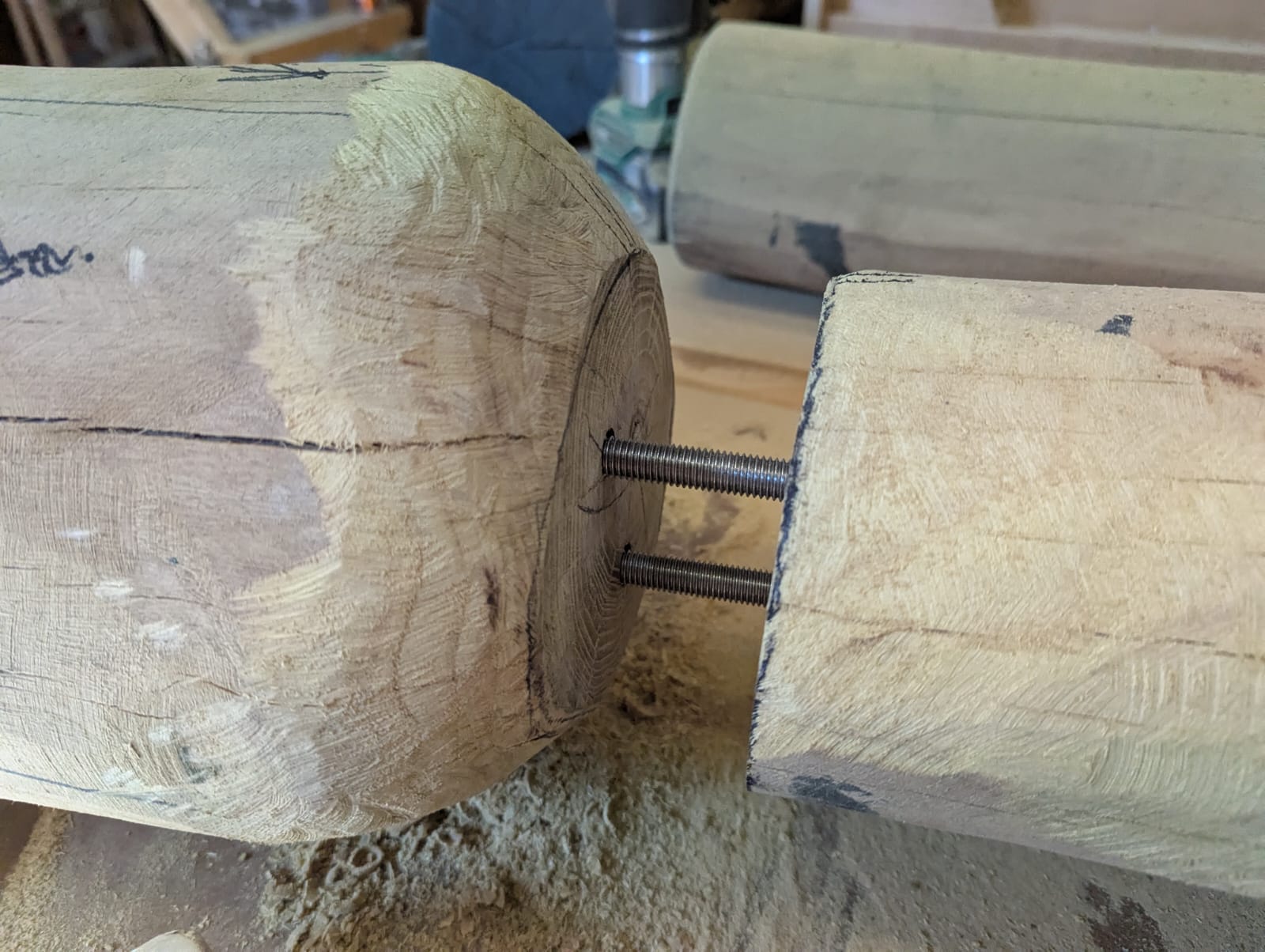
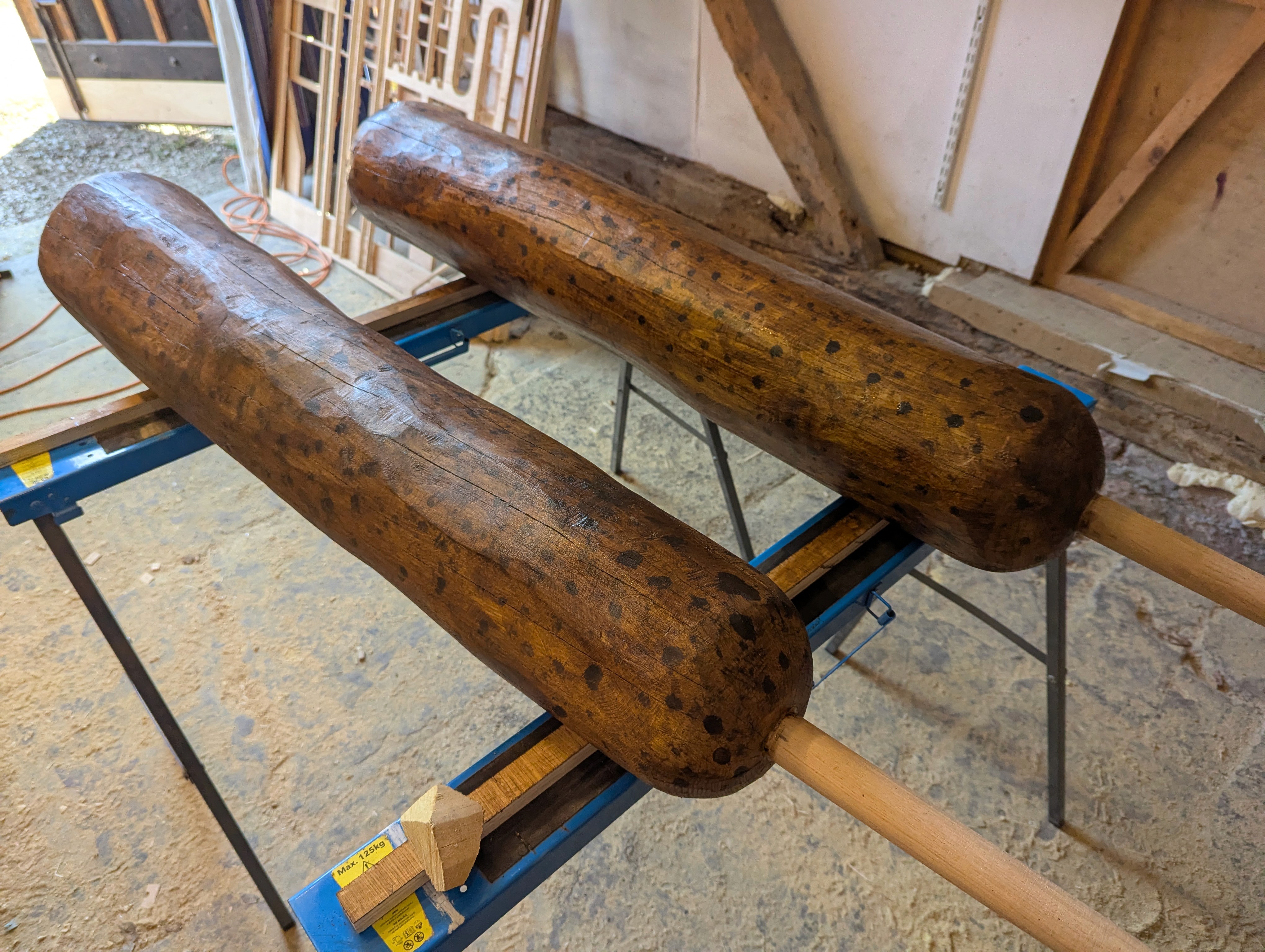
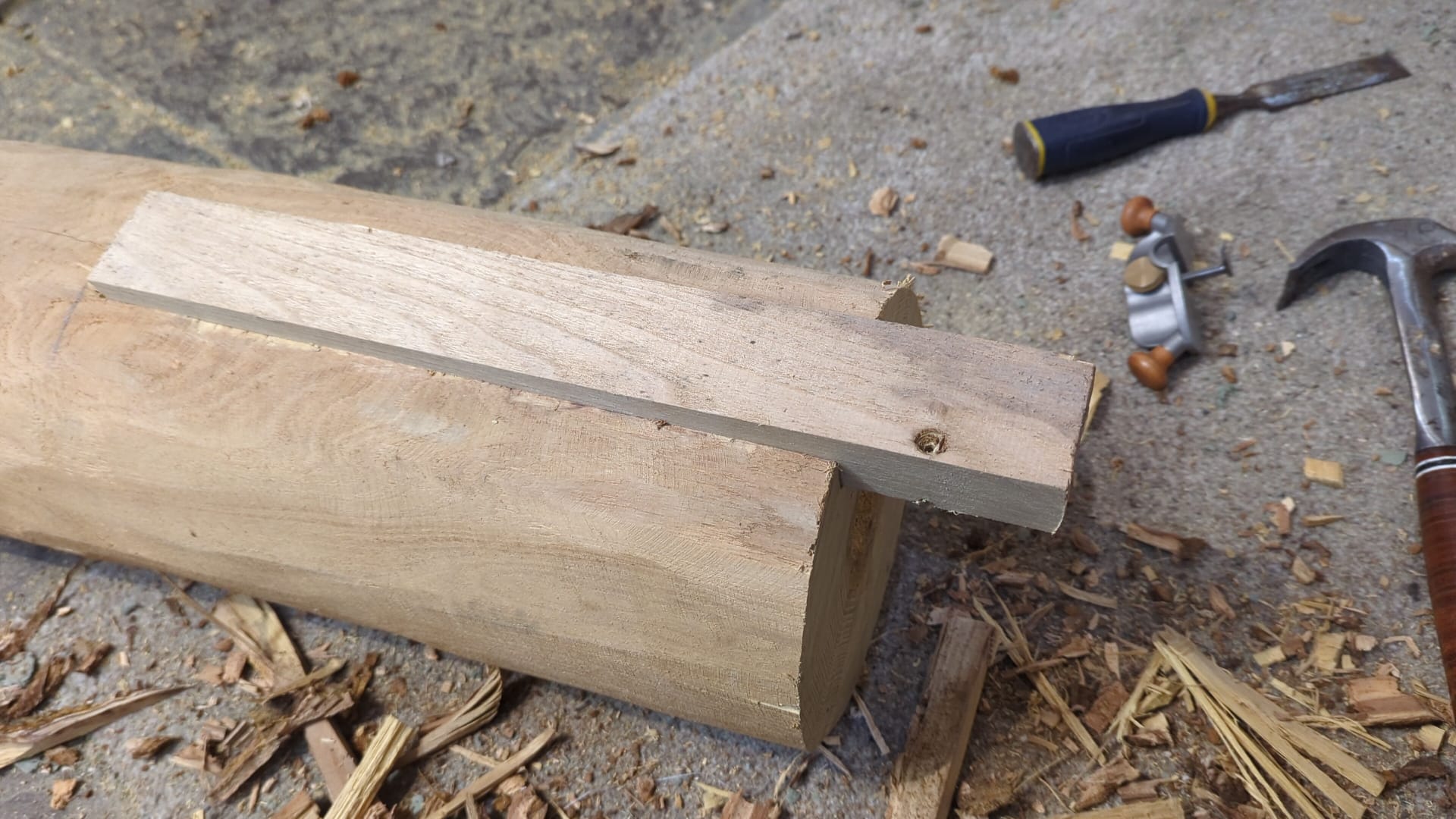
Interpretation, to me, is the craft of making information tangible. It moves beyond the flat sign to create an object or moment that you can engage with. It's about linking a place's story to the person experiencing it. I use form, material, and placement as tools for this connection. This practice is fundamentally hands-on. It starts not with a blank screen, but with the site itself. You notice the quality of light, the footfall of traffic, and the textures of the landscape. I It's how a piece is discovered: the glimpse from a distance, the approach, the decision to read or reach out and touch. Whether honey timbers, cool cast concrete, or orange rusting steel. These are chosen not just for longevity, but for the tone they set. They must age with dignity, becoming part of the place rather than a quick gloss applied to it. The real success of an interpretive piece is measured in the quieter moments. When a visitor’s path is guided intuitively by a sculptural form. When a child’s hand traces a carved timeline to instantly tell a history. Or when a bench that tells a story becomes a good place to sit and reflect. The aim is never to shout facts, but to create a thoughtful consideration. It’s work that respects both the intelligence of the audience and the spirit of the location. Through it, I aim to leave a lasting, integrated impression that feels, somehow, as if it was always meant to be there.

© All rights reserved – George Rose